
Maintenance-Free Power Solution
2V Dry Cell Battery in Pakistan – Deep Cycle Backup for Solar, UPS & Telecom
Looking for a reliable 2V dry cell battery in Pakistan? At
Pak Solar Traders,
we provide genuine 2V sealed lead acid batteries for
solar systems, UPS backup, telecom towers, industrial applications, emergency power, and deep-cycle energy storage.
These batteries are designed for long service life, safe sealed operation, and dependable performance in demanding Pakistani conditions.
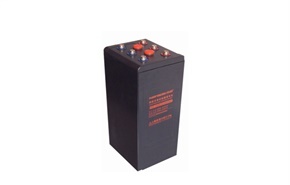
Voltage
2V per cell
Technology
Sealed Lead Acid / VRLA / AGM / Gel
Usage
Solar, UPS, Telecom, Backup Power
Capacity Range
200Ah to 3000Ah+
What is a 2V Dry Cell Battery?
A 2V dry cell battery usually refers to a 2V VRLA sealed lead acid battery cell used in large backup power banks.
Although many people call it a “dry battery,” in practical market usage this term commonly covers sealed AGM and gel batteries
that do not require routine water topping like traditional flooded batteries. These batteries are highly popular in Pakistan for
solar battery banks, UPS backup systems, industrial control rooms, telecom exchanges, security systems, hospitals, and emergency power installations.
The biggest advantage of a 2V battery is modularity. Multiple 2V cells can be connected in series to create
12V, 24V, 48V, and higher voltage battery banks. For example, a 48V battery bank uses 24 cells of 2V each.
This makes them ideal for applications where stable backup, long runtime, and scalable energy storage are required.
If you are planning a complete solar setup, you can also explore our
solar systems in Pakistan,
solar inverter range, and
dry battery collection.
2V Dry Cell Battery Features
- Maintenance-Free Design: No water refilling required under normal operation.
- Deep Cycle Performance: Suitable for repeated charging and discharging applications.
- Spill-Proof Construction: Safer sealed design for indoor and commercial use.
- Long Service Life: With proper charging, many models offer 8 to 12 years design life.
- Low Self-Discharge: Stores energy efficiently during standby applications.
- Flexible Installation: Can be configured into larger voltage banks for custom power systems.
- Reliable Backup: Perfect for mission-critical power environments.
Technical Specifications of 2V Dry Cell Battery
The exact specifications depend on brand and model, but most 2V dry cell batteries in Pakistan follow a standard industrial format.
Typical specifications include:
- Nominal Voltage: 2 Volt DC
- Available Capacity: 200Ah, 300Ah, 500Ah, 800Ah, 1000Ah, 1500Ah, 2000Ah, 3000Ah
- Battery Type: VRLA Sealed Lead Acid
- Electrolyte: AGM or Gel based immobilized acid
- Cycle Life: 1500+ cycles depending on depth of discharge
- Operating Temperature: Suitable for varied environmental conditions
- Terminal Type: Stud terminals / industrial posts depending on model
Applications of 2V Dry Cell Battery in Pakistan
A 2V dry battery is widely used where stable and dependable backup is necessary. These batteries are common in
solar power storage systems, telecommunication towers, data centers,
industrial automation, UPS rooms, banks, hospitals,
and security installations. Since they can be assembled into high-capacity battery banks,
they are especially useful for businesses and institutions that need long backup time.
For residential and commercial solar users, 2V cells are also a practical option for building custom battery banks for
8kW solar systems,
12kW solar systems,
and larger hybrid solar setups. If you need expert guidance for matching your battery bank with inverter size,
Pak Solar Traders can help you select the right solution based on your load, backup hours, and budget.
Why Choose 2V Dry Cell Battery for Solar and UPS?
One of the biggest reasons customers choose a 2V sealed battery is better scalability. Instead of relying on a fixed
small battery format, you can build a customized bank according to power requirement. This approach is ideal for
off-grid solar systems, hybrid inverters, and large UPS installations.
The batteries offer strong standby reliability, consistent discharge behavior, and easier replacement planning in professional backup systems.
Compared to conventional flooded batteries, these batteries are cleaner, safer, and easier to maintain.
They are also preferred in indoor settings where low gas emission and sealed structure are important.
If you are comparing backup technologies, you may also check our
gel batteries and
lithium batteries in Pakistan
for alternative energy storage options.
2V Dry Cell Battery Price in Pakistan
The 2V dry cell battery price in Pakistan depends on capacity, brand, design life, and application category.
Industrial telecom-grade cells, deep-cycle solar storage cells, and premium branded batteries usually vary in price according to Ah rating and warranty terms.
Because these batteries are available in many sizes, the best way to get the correct price is to share your required
system voltage, backup timing, and load details.
At Pak Solar Traders, we help customers choose the most suitable battery configuration instead of overspending on the wrong setup.
Whether you need a single industrial replacement cell or a complete battery bank for solar or UPS, our team can guide you with current market options and genuine products.
Order from Pak Solar Traders
WhatsApp: 0332412941
UAN: 03041111988
Email: info@pakistansolartraders.com
Website: www.pakistansolartraders.com
Related Battery Products
Gel Battery
Maintenance-free deep cycle battery option for solar backup, UPS systems, and long-cycle performance.
Dry Battery
Explore high-quality dry batteries for home backup, office UPS applications, and reliable energy storage.
Lithium Battery
Advanced lithium battery solutions with higher cycle life, fast charging, and modern solar compatibility.
Solar Inverter
Match your 2V battery bank with hybrid, on-grid, and off-grid inverter options for complete energy solutions.