
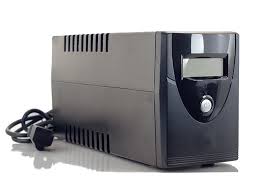
UPS (Uninterruptible Power Supply) in Pakistan
A UPS (Uninterruptible Power Supply) is an essential backup power solution for homes, offices, shops, hospitals, server rooms, and industrial facilities. It provides instant emergency electricity during power failures, voltage fluctuations, surges, and sudden blackouts, helping protect critical equipment and maintain uninterrupted operation.
In Pakistan, power outages and unstable voltage remain a major issue for residential and commercial users. That is why many customers now search for the best UPS in Pakistan to secure computers, networking equipment, CCTV systems, medical devices, POS machines, and household electronics. A quality UPS not only provides temporary backup power, but also acts as a protection layer against voltage spikes, sags, and unstable electricity.
At Pak Solar Traders, we help customers choose reliable UPS systems in Pakistan for home, office, industrial, and commercial applications. Whether you need a small backup solution for routers and computers or a high-capacity online UPS for critical infrastructure, selecting the right system is important for safe and smooth performance.
What Is a UPS and Why Is It Important?
A UPS battery backup system is an electrical device that supplies emergency power when the main input source fails. Unlike a traditional generator, a UPS provides almost instantaneous power transfer, which is very important for sensitive electronic equipment. Even a short interruption can cause data loss, system crashes, hardware damage, or operational downtime.
The main purpose of a UPS is to:
- Provide immediate battery backup during blackouts
- Protect connected equipment from voltage spikes and surges
- Regulate unstable utility power
- Give users enough time for safe shutdown
- Bridge the gap until generator power starts
For users in Pakistan, a UPS is especially valuable because power quality issues are common in many residential, commercial, and industrial areas.
Types of UPS Systems
Offline / Standby UPS
Offline UPS is the most basic type of backup power system. It normally passes utility power directly to connected devices and switches to battery only when the main power fails.
- Best for homes and small offices
- Switch time usually 2 to 10 milliseconds
- Affordable and compact design
- Suitable for PCs, routers, and basic electronics
Line-Interactive UPS
A line-interactive UPS includes automatic voltage regulation (AVR), making it more useful for areas where under-voltage and over-voltage are common.
- Voltage regulation plus battery backup
- Good for networking devices and office systems
- Improves battery life by reducing unnecessary switching
- Ideal for routers, switches, PCs, and small servers
Online / Double-Conversion UPS
Online UPS is the highest protection category. It continuously converts input power and supplies a clean, stable output with zero transfer time.
- Best for mission-critical equipment
- Pure sine wave output
- Zero transfer time
- Suitable for servers, hospitals, labs, and data centers
Key Features and Benefits of UPS Systems
Modern UPS systems in Pakistan are designed to do much more than simple battery backup. A good quality UPS offers multiple power protection benefits that help extend equipment life and improve operational reliability.
- Instant Backup Power: seamless transition during outages
- Surge Protection: protects against voltage spikes
- Automatic Voltage Regulation (AVR): stabilizes fluctuating power
- Pure Sine Wave Output: safe for sensitive electronics and active PFC loads
- Battery Runtime: from a few minutes to extended hours depending on system design
- Power Conditioning: helps protect devices from unstable grid supply
- Safe Shutdown Support: gives time to save work and shut systems down properly
Common Applications of UPS
A UPS power backup solution can be used in many different environments depending on capacity, runtime requirement, and equipment sensitivity.
Home UPS
Ideal for fans, lights, WiFi routers, desktops, gaming consoles, and home office setups.
Office UPS
Protects workstations, servers, CCTV systems, networking gear, and POS systems.
Medical UPS
Used for diagnostic equipment, laboratory machines, and other critical medical systems.
Industrial UPS
Supports PLCs, control systems, factory equipment, automation systems, and industrial panels.
How to Choose the Right UPS in Pakistan
Before buying a UPS, it is important to understand your load, runtime requirement, and application type. A properly sized system provides better performance and longer service life.
- Calculate total load in watts of all equipment you want to protect
- Select capacity with 20% to 30% extra margin for safety and future growth
- Check battery runtime according to your backup requirement
- Choose pure sine wave output for sensitive electronics and servers
- Select the right UPS type based on whether your need is basic, advanced, or critical
If your requirement is simple household backup, a standby or line-interactive UPS may be enough. For data centers, hospitals, labs, and enterprise environments, an online UPS is usually the better option.
UPS Maintenance Tips
- Keep the UPS in a cool and ventilated area
- Test battery condition regularly
- Replace sealed batteries when performance drops
- Keep firmware and software updated where available
- Do not overload the UPS beyond its rated capacity
Popular UPS Categories and Related Products
Home UPS Systems
Suitable for fans, lights, routers, televisions, and computer systems for residential use.
Office UPS Solutions
Ideal for workstations, network racks, servers, and office electronics that need safe uptime.
Online UPS Systems
Premium protection for mission-critical applications with pure sine wave and zero transfer time.
Dry Batteries for UPS
UPS systems often work with quality dry batteries for reliable backup performance and runtime support.
Strong Internal Linking for Better SEO
- UPS (Uninterruptible Power Supply)
- Homeage UPS
- Dry Battery in Pakistan
- Solar Inverter Price in Pakistan
- Solar Panel Price in Pakistan
- Lithium Battery Price in Pakistan
- 3KW Solar System Price in Pakistan
- 5KW Solar System Price in Pakistan
Why Choose Pak Solar Traders?
Pak Solar Traders provides complete backup power and solar energy solutions in Pakistan. We help customers choose the right UPS systems, batteries, inverters, and related backup products according to their power needs and budget.
- Complete backup power solutions
- Guidance for home, office, and industrial requirements
- Reliable products and professional support
- Strong product range for UPS, batteries, and solar systems
Contact Pak Solar Traders
WhatsApp: 0332412941
UAN: 03041111988
Email: info@pakistansolartraders.com
Website: www.pakistansolartraders.com
Facebook: Pak Solar Traders